Planning a first safari from India feels like a mountain of logistics: visas, flights, vaccinations, which park to pick, and whether anyone will speak Hindi. This guide is built for you. It is the touringinsights kenya safari planning for hindi speakers resource you need before you compare operators.
We are an editorial site, not a safari company. We do not sell tours. Our job is to give you the honest details that package sellers often skip.
What Does TouringInsights Kenya Safari Planning for Hindi Speakers Cover?
This guide walks through the practical questions Indian travelers ask before a Kenya safari. That includes visas, flights, the best season, safety, vaccinations, costs, Hindi-speaking guides, vegetarian food, and which park suits a first timer.
Do Indian Passport Holders Need a Visa for Kenya?
Yes. You need an eTA (Electronic Travel Authorization), which replaced the old visa system. Apply online at the official Kenyan government portal, not through third-party sites that charge extra fees, at least two weeks before your travel date.
The fee is USD 30 for the eTA itself, plus a compulsory tourism levy. Total cost is typically under USD 50 per person, and credit cards work fine on the portal.
You also need a passport valid for at least six months from your arrival date, with two blank pages. Print your eTA approval and carry it with your passport.
How Long Is the Flight From India to Kenya?
Direct flights from Mumbai to Nairobi typically take about 6 hours to 6 hours and 20 minutes. From Delhi, add about an hour if you have a short stopover. Kenya Airways flies direct from Mumbai, and Air India operates the route seasonally.
The time zone gap is small, with Kenya 2 hours and 30 minutes behind India, so jet lag is minor compared to trips to Europe or the Americas.
What Is the Best Time for Indian Travelers to Visit Kenya on Safari?
The classic answer is the dry season from July to October, when the Great Migration herds are in the Masai Mara and wildlife gathers near water sources.
However, river crossings are not a schedule. They depend on rainfall and herd movement, so booking July purely for crossings means you might miss them. August and September tend to be when crossings are statistically more likely, but there are no guarantees.
The short rains from November to December are underrated, with a green landscape and lower prices. The long rains from March to May are the true low season, when some lodges close and roads get muddy.
For a first timer, we usually suggest the dry season, since clear skies and high wildlife density make navigation easier.
Is Kenya Safe for Indian Tourists?
Kenya is generally safe for tourists who follow basic precautions. Nairobi has a reputation that scares people, but most safari itineraries take you directly from the airport to national parks.
In Nairobi, use hotel taxis or ride-hailing apps, avoid walking alone after dark, and keep valuables out of sight.
Inside the parks, safety is tied to your guide’s behavior. Stay inside the vehicle, keep your seatbelt on, and never stand up when a predator is nearby.
The biggest real risk is health-related. Malaria is present in Kenya, so consult a travel doctor 4 to 6 weeks before departure for prophylaxis.
What Vaccinations Are Required Before Traveling to Kenya From India?
Yellow fever requirements depend on where you are arriving from, not just your nationality. Kenya requires proof of yellow fever vaccination for travelers arriving from a country with yellow fever risk. India is not on that risk list, so a direct flight from India does not usually trigger this requirement. If your itinerary includes a stopover in a risk country, the rules can change, so check current requirements on the official Kenyan government site before you fly.
Malaria prophylaxis is recommended, with options like Doxycycline or Atovaquone-proguanil, so discuss the choice with your doctor rather than a pharmacist.
Carry anti-diarrheal medication and oral rehydration salts, and stick to bottled water since tap water is not safe. Hepatitis A and typhoid vaccines are also advised.
How Much Does a Kenya Safari Cost From India?
Costs vary based on season, lodge standard, and number of nights. Here is a realistic breakdown per person per night, based on full board and game drives.
| Safari Tier | Cost Per Person Per Night | What You Get |
|---|---|---|
| Budget camping | USD 150 to 250 | Basic tent, shared facilities, group vehicle |
| Mid-range lodge | USD 300 to 500 | En-suite room, private vehicle sometimes shared |
| Luxury lodge | USD 600 to 1,200 | Premium service, private driver, better locations |
| Ultra-luxury | USD 1,500+ | Exclusive conservancies, private butler, gourmet meals |
These are indicative ranges, not fixed prices. Peak season pushes the upper limits, while the short rains season often sees 20 to 30 percent discounts.
Your total cost also includes flights (USD 400 to 700 round trip from India), the eTA fee, and insurance. Plan for tips of USD 10 to 15 per person per day for your guide.
Are Hindi-Speaking Guides Available on Kenya Safaris?
Yes, but you need to request them explicitly.
Several operators employ guides who speak Hindi, Gujarati, and other Indian languages, often of Indian origin who grew up in Kenya. Nairobi’s Indian community has deep roots in the safari trade.
When you compare operators, ask directly whether a certified Hindi-speaking guide is available for your dates. Do not assume it is standard, since English remains the default.
If a Hindi guide is not available, ask for a guide who speaks simple, clear English, since a safari involves early mornings and unexpected situations where clarity matters.
Is Vegetarian or Jain Food Available at Safari Camps?
Yes. Kenyan safari lodges are used to Indian travelers.
Most mid-range and luxury camps offer vegetarian options daily. Jain food (no onion, no garlic, no root vegetables) is less common but often possible with advance notice. Tell the operator about your dietary needs when you book, since camps plan meals in advance.
On game drives, ask for a vegetarian packed lunch box, and carry protein bars or nuts from home as backup. In Nairobi, Indian food is easy to find, including pure-veg restaurants serving South Indian dosa to Gujarati thali.
Which Is Better for First-Timers: Masai Mara, Amboseli, or Tsavo?
The answer depends on what you want to see.
The Masai Mara is the crown jewel, with the highest density of predators and the annual migration on open savanna. It is also the busiest park, so you share sightings with other vehicles.
Amboseli is smaller and more focused, with large elephant herds against Mount Kilimanjaro, easier roads, and reliable viewing. It suits a relaxed pace and a shorter drive from Nairobi.
Tsavo (East and West) is vast and less curated, with red-dust landscape and the famous man-eater caves. Wildlife is more dispersed, so it suits repeat visitors more than first timers.
For a first safari, we recommend the Masai Mara or combining it with Amboseli. The masai-mara-guide covers the details, and our masai-mara-vs-amboseli piece compares the two directly. Avoid hopping between too many parks, since that means more driving than watching animals.
What Should I Pack for a Kenya Safari From India?
Packing is simpler than most people think.
Clothing: Neutral colors like khaki, olive, and beige. Avoid bright blue or white, which attract tsetse flies in some regions. Bring long sleeves and pants for evening drives, plus a light fleece for the morning chill.
Footwear: Closed shoes for walking, and sandals for the lodge.
Accessories: A wide-brimmed hat, sunglasses, SPF 50 sunscreen, and insect repellent with at least 30 percent DEET.
Electronics: A universal adapter (Kenya uses British three-pin plugs), a power bank, and a zoom camera lens if you have one. Binoculars are essential, so bring your own or check if your camp rents them.
Health and documents: Prescription medication, a first aid kit, anti-malaria pills, oral rehydration salts, your eTA printout, yellow fever card if you have one, and booking copies.
For a full breakdown, see our kenya-safari-packing-list.
What Are the Honest Trade-Offs of the Great Migration?
The migration is the reason many people travel from India, but the packaging often oversells it.
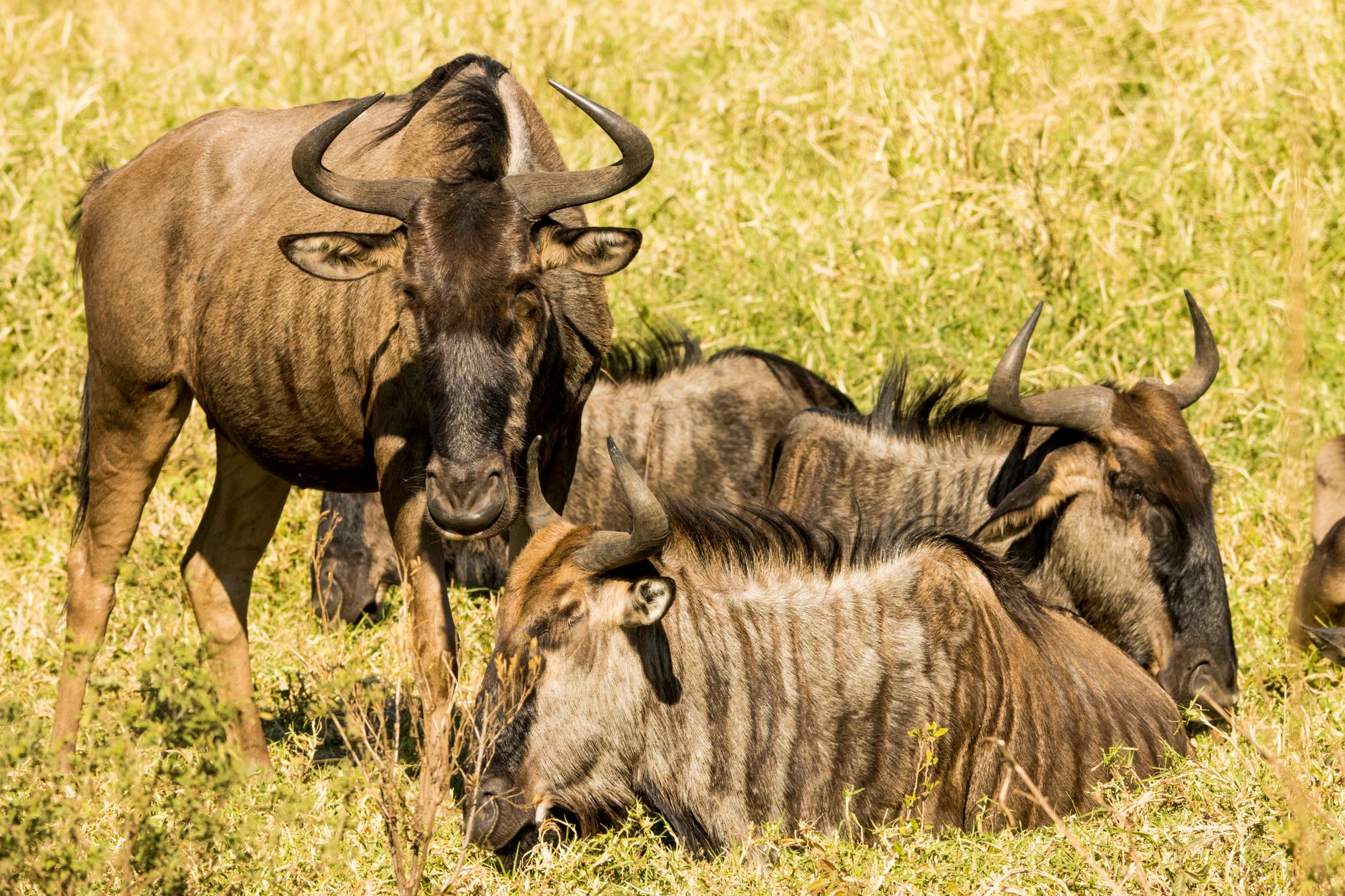
The migration is a year-round movement of roughly 1.5 million wildebeest and zebras, not a static event. From July to October, the herds are in the Masai Mara, but being in the park does not guarantee a river crossing. Herds can stall for days or cross at a spot no one predicted.
The Serengeti in Tanzania sees the herds from December to June. For fewer crowds, consider Kenya’s northern conservancies like Mara North, Naboisho, and Olare Motorogi, private lands offering the same wildlife movement with fewer vehicles. Conservancy fees run higher, but the money goes directly to Maasai landowners who lease their land for wildlife.
For the migration itself, book August or September. For a river crossing, be prepared for luck and a patient guide.
Which Conservancies Should I Consider Instead of the Reserve?
The private conservancies around the Masai Mara suit first timers well. They include:
- Mara North Conservancy: Large, quiet, with excellent predator density.
- Naboisho Conservancy: Known for lion sightings and walking safaris.
- Olare Motorogi Conservancy: Less crowded, high cat density, used by several luxury camps.
These conservancies limit beds per square kilometer, meaning fewer vehicles at sightings and more flexible drives, while reserve vehicles must stick to roads.
Camp rates run 20 to 40 percent higher than equivalent reserve camps, but the premium buys a more intimate experience, especially during the migration rush.
Is Kenya or Tanzania Better for a First Safari?
Both are excellent, and the choice often comes down to logistics and the migration season.
Kenya has a shorter flight from India, a smaller time difference, and the flagship Masai Mara, with simple daily flights from Nairobi to the Mara airstrips.
Tanzania has the Serengeti and the Ngorongoro Crater, unmatched for concentrated wildlife viewing, but the flight from India is longer and internal connections can add a day.
For a first trip, we suggest Kenya. The complete guide to the Masai Mara explains the park and camps in one place.
What Are Common Mistakes Indian Travelers Make on Safari?
Here are the ones we see most often.
First, overpacking the itinerary. A seven-day trip should cover no more than two or three parks, with a buffer day in Nairobi for flight delays.
Second, expecting Indian food at every meal, when camp menus are mostly Kenyan and international.
Third, not carrying enough cash for tips. Camps accept cards, but tips are cash only, so use an ATM in Nairobi.
Fourth, wearing bright colorful clothing, which can startle animals. Fifth, treating a safari as a single-day activity rather than early starts and long hours of patience.
Where Can I Compare and Book My Kenya Safari?
TouringInsights is an editorial guide. We do not sell tours or act as an operator. Our goal is to help you plan with accurate information, and once you are ready, the next step is comparing reputable operators.
Browse packages from the following partner sites to compare operators: FindMySafari, Valley Safaris, and Trunktrails Safaris. These platforms list vetted operators and let you compare itineraries, prices, and guides side by side.
Ask each operator for a detailed itinerary and confirm Hindi-speaking guide availability in writing.
Where Can I Find More Safari Planning Resources?
- Masai Mara Great Migration guide from Trunktrails Safaris
- Wildebeest migration route map from Valley Safaris
- Compare Kenya safari packages on FindMySafari
- Great Migration safari collection on FindMySafari